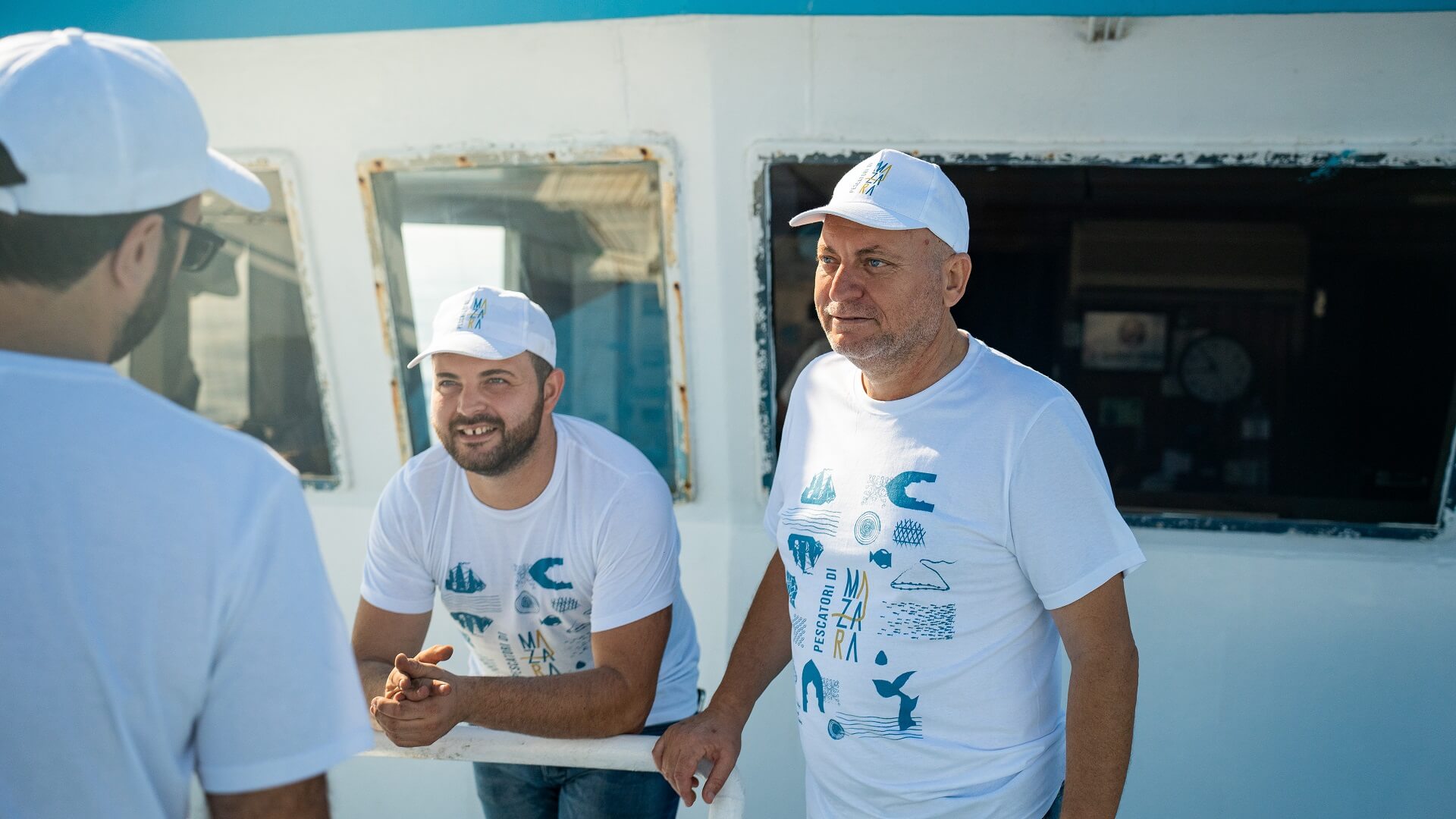
Pescatori di Mazara is the brainchild of the Genovese family, with the aim of enhancing and promoting the Mazara del Vallo area and its artistic, cultural and gastronomic beauties, which are inextricably linked to the city’s maritime tradition.
Fishermen of Mazara, starting from the activity of fishing and the figure of fishermen, wants to rediscover and enhance symbolic customs, traditions and traditions of the city through a digital storytelling hub “Rizzaglio – Stories of Sicily“, “La Nassa – Shop online” to buy products directly from our fishing boats, and “Mazara Experience” to experience the area through an immersive and unique tourist experience.
The Genovese family – shipowners for three generations – is known by the nickname “Pagani,” a term that identifies the figure of a tall, strong, rugged man.
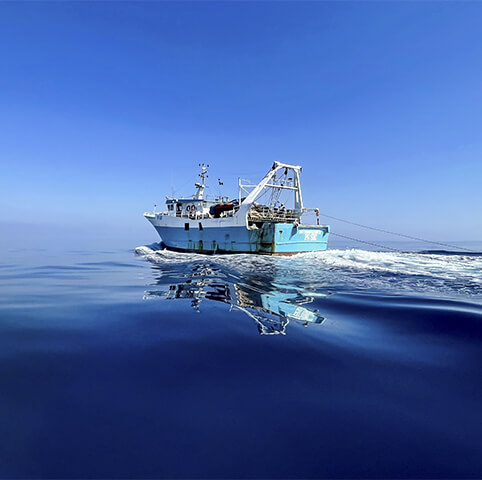
It was 1976 when Antonino Genovese purchased the first fishing boat, made entirely of wood.
Hence the birth and development of afamily business devoted with passion and perseverance to the business of fishing. A legacy passed on first to his son and then to his grandson, Antonino Genovese, promoter of the “Fishermen of Mazara” project.
Starting from the activity of fishing and the figure of fishermen, an ancient trade that has shaped the history and culture of one of Sicily’s most beautiful and appreciated cities, Fishermen of Mazara aims to rediscover and enhance the uses, customs and traditions symbolic of the city.
Mazara del Vallo, among Italy’s leading seaside towns, is an area that smells of history and culture as well as a symbol of welcome, inclusion and integration among different ethnic groups.
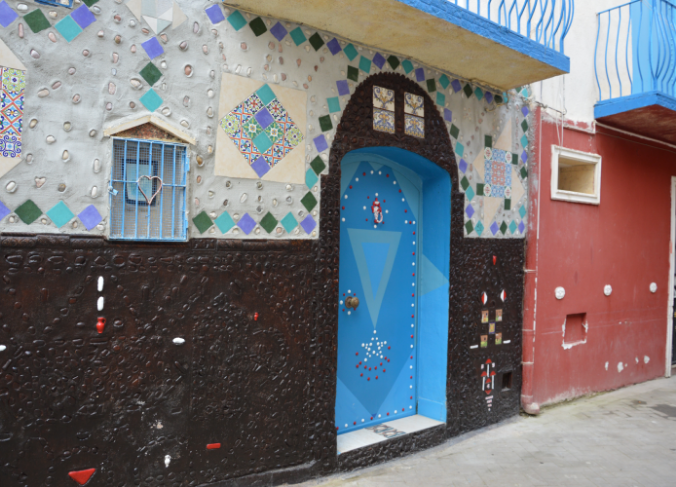
Situated between the shores of the Mediterranean Sea and the mouth of the Mazaro River, the “City of the Satyr,” as it is called because of the Dancing Satyr, a highly prized bronze statue made between the fourth and first centuries B.C., Mazara del Vallo is a unique city in the panorama of Mediterranean culture. Conquered by the Arabs in the ninth century, Mazara is a multiethnic city that still retains many features of the ancient Islamic settlements, an example being the Kasbah (Casbah), a labyrinth of narrow streets full of color and graffiti in which Baroque and Arab art are mixed.
In addition to the Arab Quarter, Mazara del Vallo is rich in ancient and magnificent buildings that are worth visiting, among them the Church of St. Francis, among the most famous and beautiful in Mazara thanks to its frescoes and bas-relief elements depicting, among others, children, women and angels; the Cathedral of the Most Holy Savior, rebuilt on the rubble of an ancient Saracen basilica in the late 17th century, which astonishes with its central dome fresco depicting the Last Judgment; The Dancing Satyr Museum, housed within the spaces of the deconsecrated St. Egidio Church, which holds the Dancing Satyr statue found by a fishing boat in 1998; the Church of St. Nicholas Royal and the Church of Our Lady of the Giummare, typical examples of Arab-Norman architecture; the Bishop’s Palace, a 16th-century building overlooking what is now Republic Square; Mokarta Square and theNorman Arch, built in 1072 to celebrate the liberation from Arab domination represents one of the city’s most characteristic symbols; and the Church of St. Vitus, a small 18th-century church built by the sea. And again, a must-see destination in Mazara del Vallo is the Capo Feto Nature Reserve, home to a very rich ecosystem of flora and fauna, and the Roccazzo Archaeological Site.
Sustainability
For Mazara del Vallo and its community, fishing represents an element of strong identity, a real pillar on which the city’s economy and social development is based.
Respect for the sea and its ecosystems and the welfare of all fish workers, therefore, are indispensable values of our sustainable fishing project.
Sustainable fishing for us means contributing to the socio-economic development of our territory without affecting, in full respect of the “sea resource,” taking care to leave to future generations the same heritage (marine and natural) that we have inherited.
That is why we work daily in favor of an ecologically sound and economically productive system, to live in harmony with nature, avoiding all forms of exploitation and pollution.
Our sustainable, non-invasive fisheries protect the biodiversity of the sea and allow the marine population to reproduce effectively and continue to thrive, in full compliance with current regulations and the scientific recommendations of the relevant bodies for the exploitation of fishery resources.
In addition, we have always been committed to supporting the local fishing community to foster fair working conditions and lasting socio-economic benefits.